News

A Postcard from Brazil
By David Innes-Edwards, Managing Director, Frontier Public Relations
Okay, I admit it: I wasn’t fully prepared for my first visit to Brazil.
The relentless heat and colour. The noise and smells of carnival and the friendly organised chaos that all assaulted mt tender European brain.
I arrived in coastal city of Recife, in the northeast state of Pernambuco, at the hight of summer, in early February.
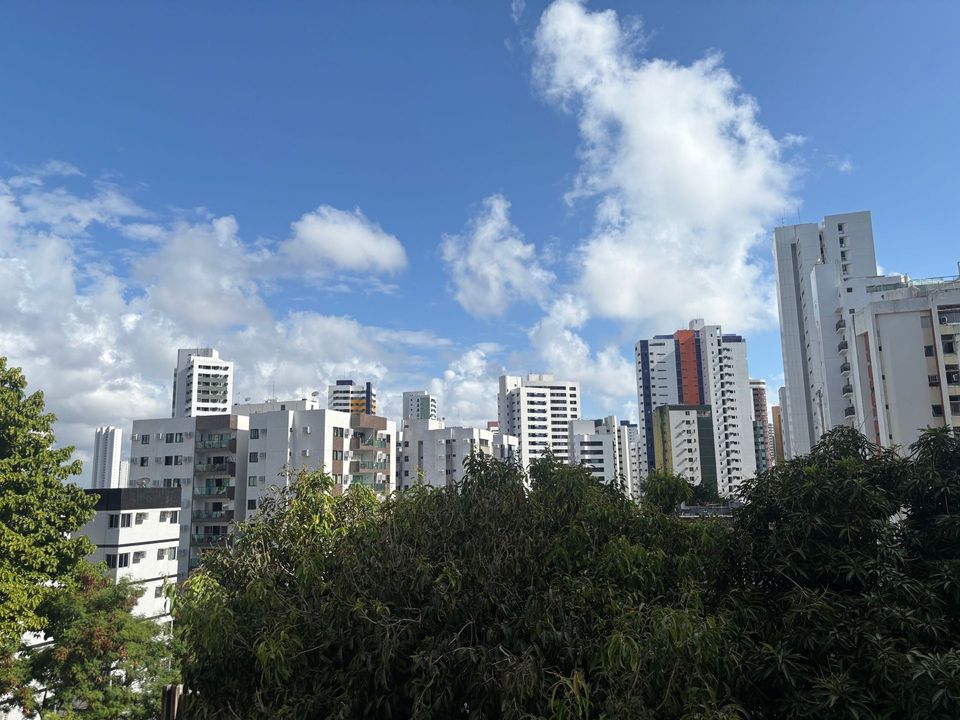
A beach and river lined metropolis of some 4 million plus people, its endless high-rise skyline could, at first glance be mistaken for Miami.
But that’s where most similarities end (not least because you can’t swim the glorious turquoise Atlantic Ocean for fear of sharks!).
Over my wonderful three-week visit, I couldn’t help but reflect on my day job, and contrast Brazil’s vastly different urban challenges with those back home.
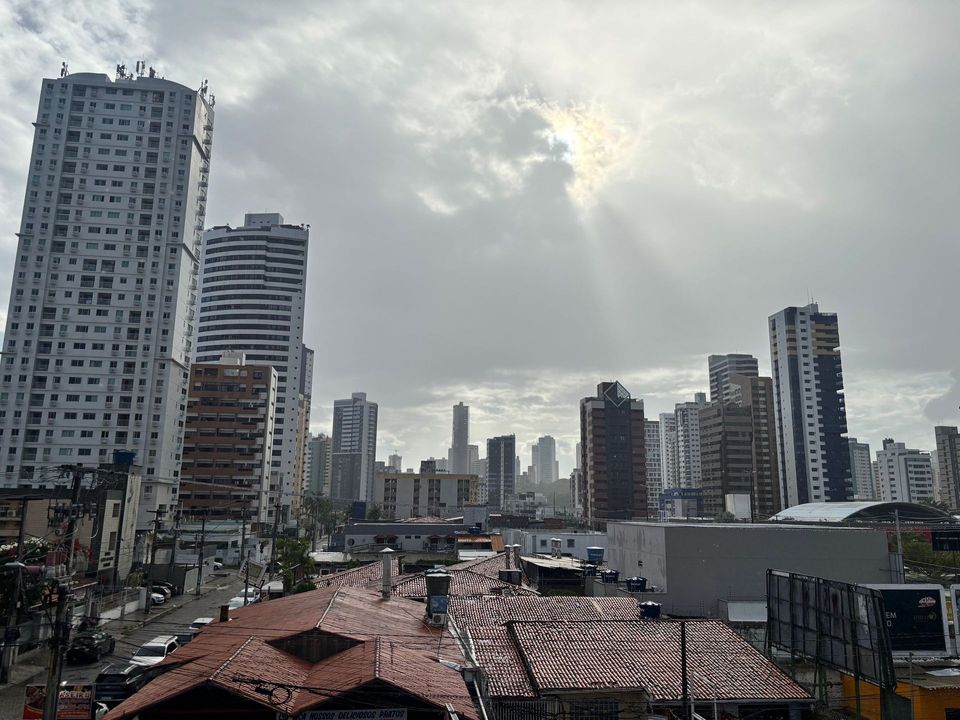
Joao Pessoa, Paraíba
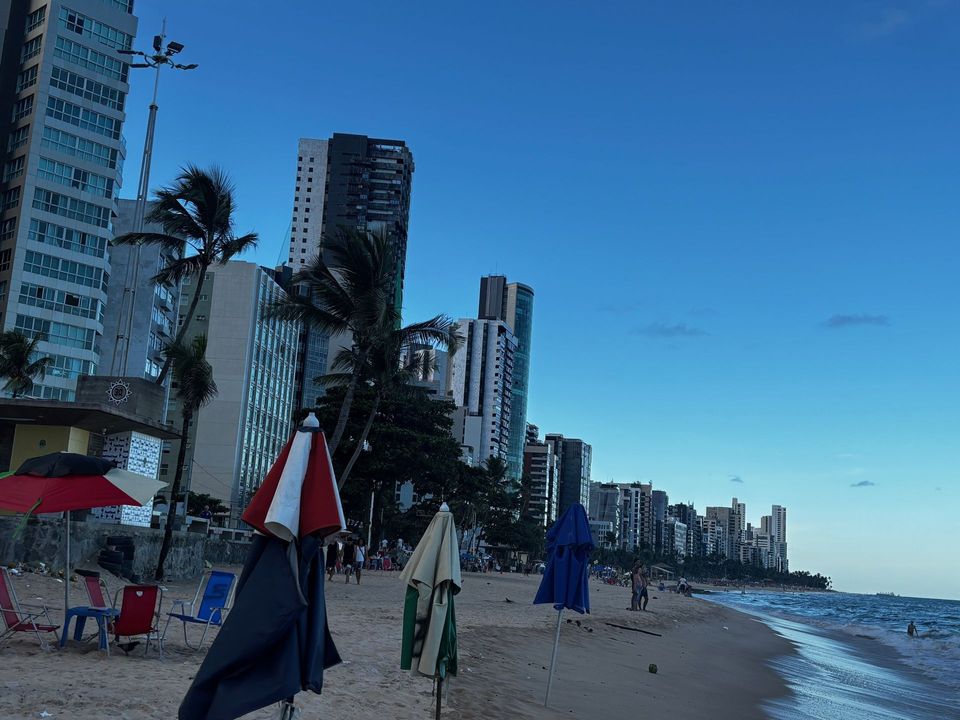
Recife, Pernambuco
Brazil is an extraordinary country both in term of its geographical enormity, the size of its obvious potential - but also the sheer scale of challenges it faces.
But let’s start with the biggest and most obvious challenge: social inequality.
Brazil is one of the most socially unequal places I’ve visited, and the effects of this are far reaching. It’s not just the disparity in wealth that’s the challenge, but the severity of spatial separation. People who can afford to, tend to live in well-serviced, central neighbourhoods or gated areas, while poorer citizens are pushed to urban peripheries, with fewer jobs, weaker public services, and long commute times.
You feel the impact of this on every aspect of daily life.
You sense the freneticism, as many people struggle to make ends meet any way that they can, using every available resource to them. You can feel a battle for survival.
People are very wary of crime, and those, with the means, choose to travel by car, Uber, or spend their time in secure, air-conditioned malls, rather than walk even relatively short distances outside.
Even when public transport is available, those who can, choose to drive, or use ride apps. I was surprised that cheap motorcycle Uber pickups were popular in Recife – something I’d never seen before (and was too scared to try!).
This dependence on the roads and cars causes crippling congestion at almost any time of the day, and urban transport is a major pain point. I was struck by the severity of traffic jams and long journey times, and over three weeks, I didn’t use public transport once.
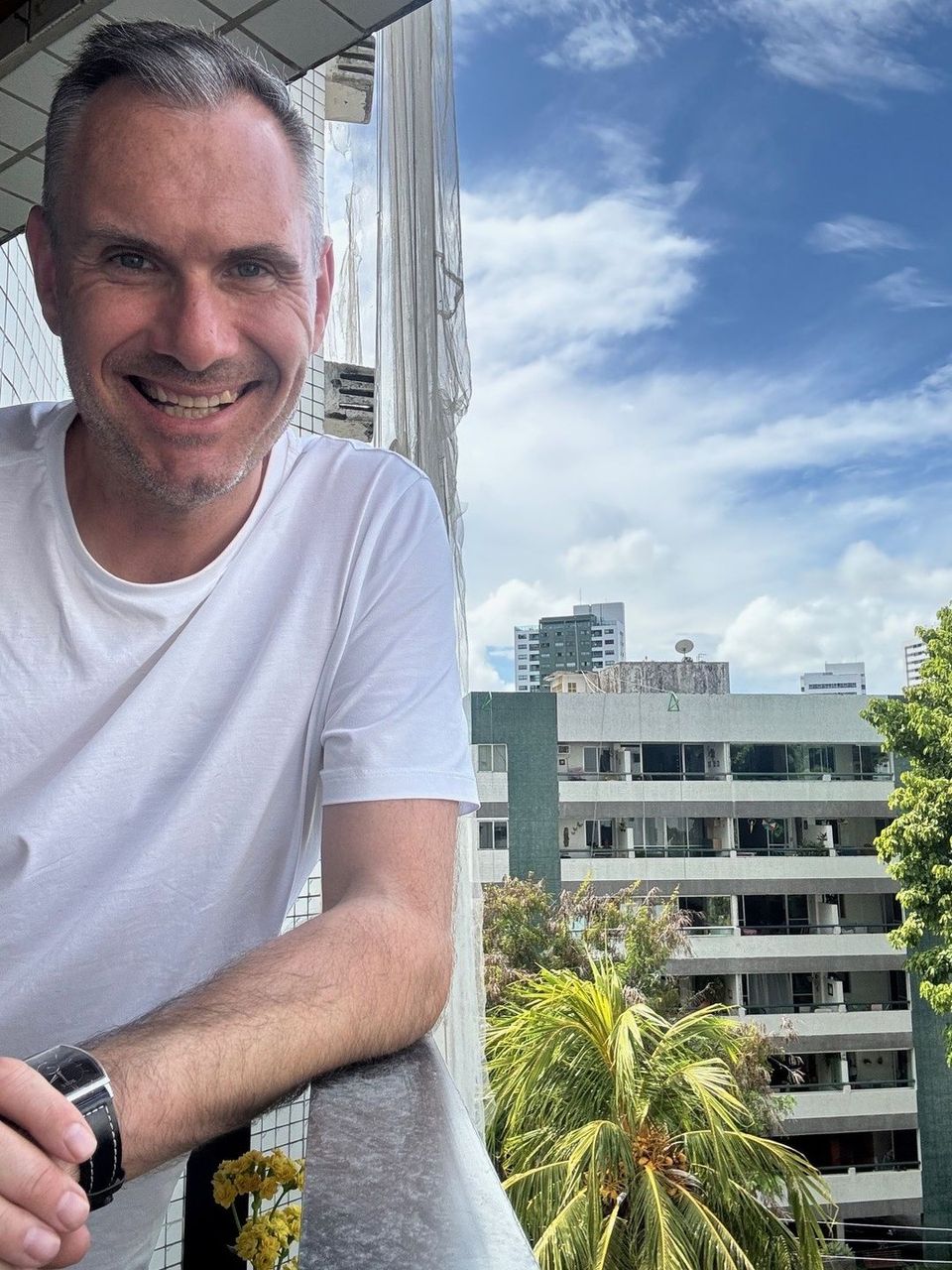
David Innes-Edwards
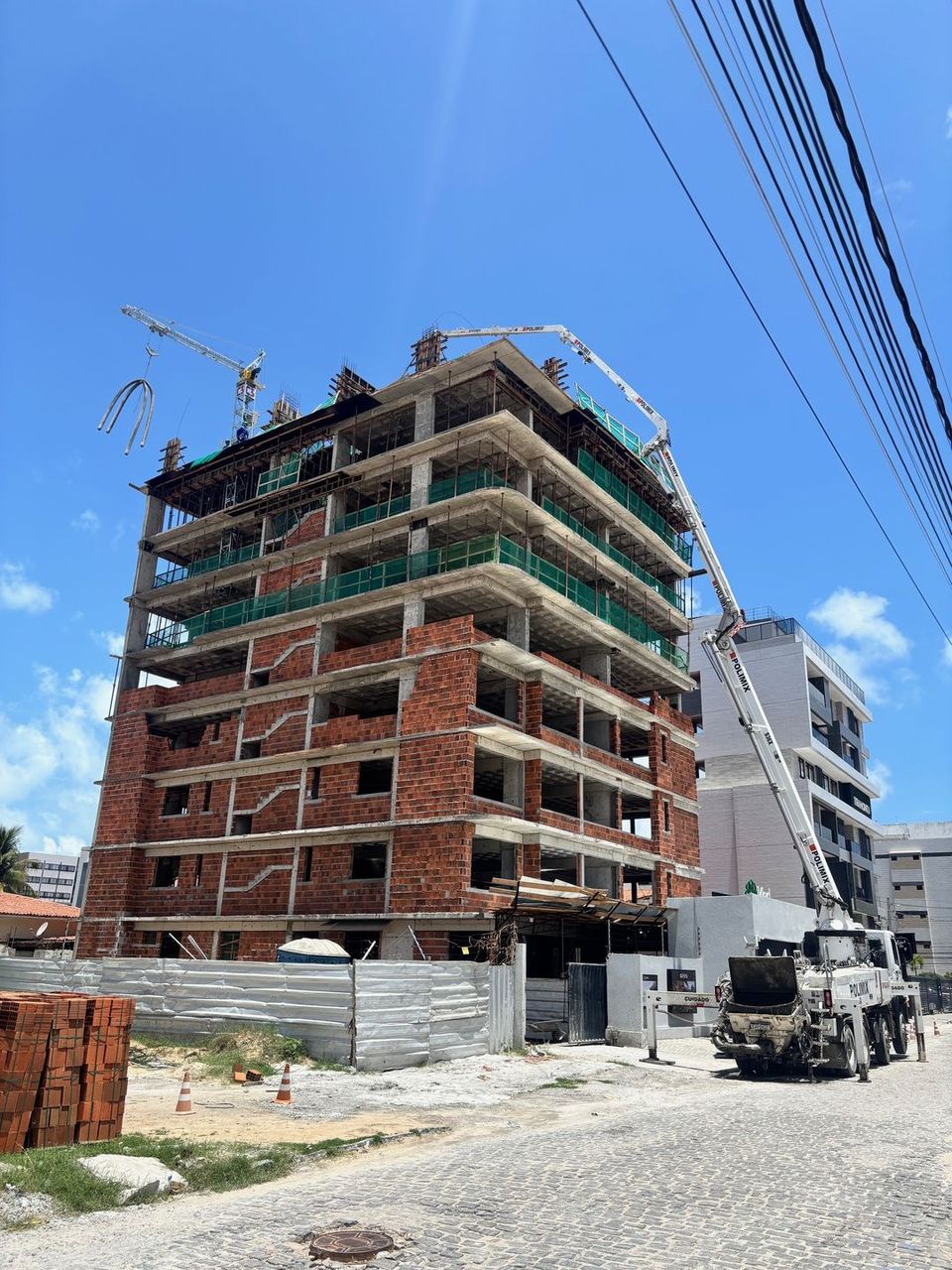
Construction, Joao Pessoa
Brazil also struggles with a stifling shortage of affordable or adequate housing, with millions of people living in informal settlements – and the scale of the favelas is shocking.
It’s hard to imagine so many homes being built informally on untenured land, without permission and often in dangerous locations, such as unsafe steep hillsides or floodplains.
The size, location and complexity of informal settlements make them harder to link to infrastructure or upgrade housing at scale – plus it reinforces the social spatial inequalities discussed earlier.
The favelas are the most visual symptom of the rapid development of cities – explosive growth that outpaces investment in urban infrastructure and public services, including public transport, sanitation and swage, water supply and waste management.
Cities like Recife still struggle with basic services, particularly in low-income neighbourhoods, which affects public health and economic productivity.
Despite all these challenges Brazil remains a beautiful and fascinating place to visit, and the opportunity and potential for growth feels almost limitless.
Thank you to everyone I met for their warmth and generosity - I can’t wait to return.
Delivering affordable homes in Brazil
Tiago Tripodi is the founder and owner of Reggio, a small construction company based in the city of Recife, in the north east state of Pernambuco.
Tiago explains: “We build homes for people on low-to-medium-incomes that sell for around R$180,000 – the equivalent of US$35,000. On average, the homes we build are around 50 square meters in size and usually comprise of two bedrooms, a kitchen with laundry area, living room, bathroom and balcony.
“Demand for new housing in Recife is high, and the market continues to grow, with around 32% of the population (70 million Brazilians) not owning their own homes. This is gradually changing however, supported by government programs that are encouraging more and more Brazilians to explore the possibility of homeownership.
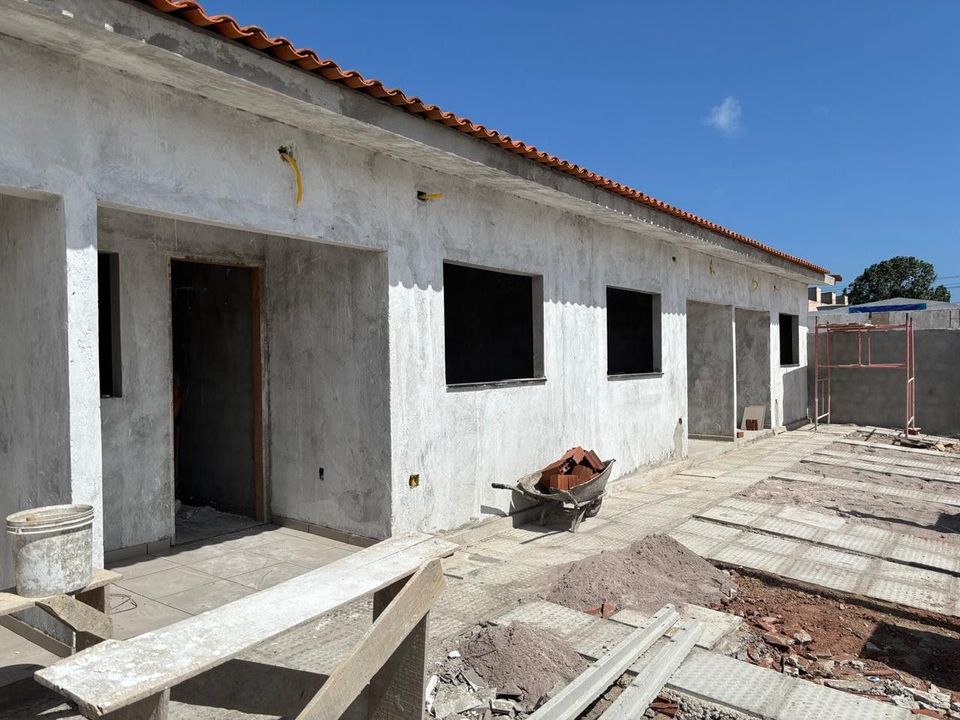
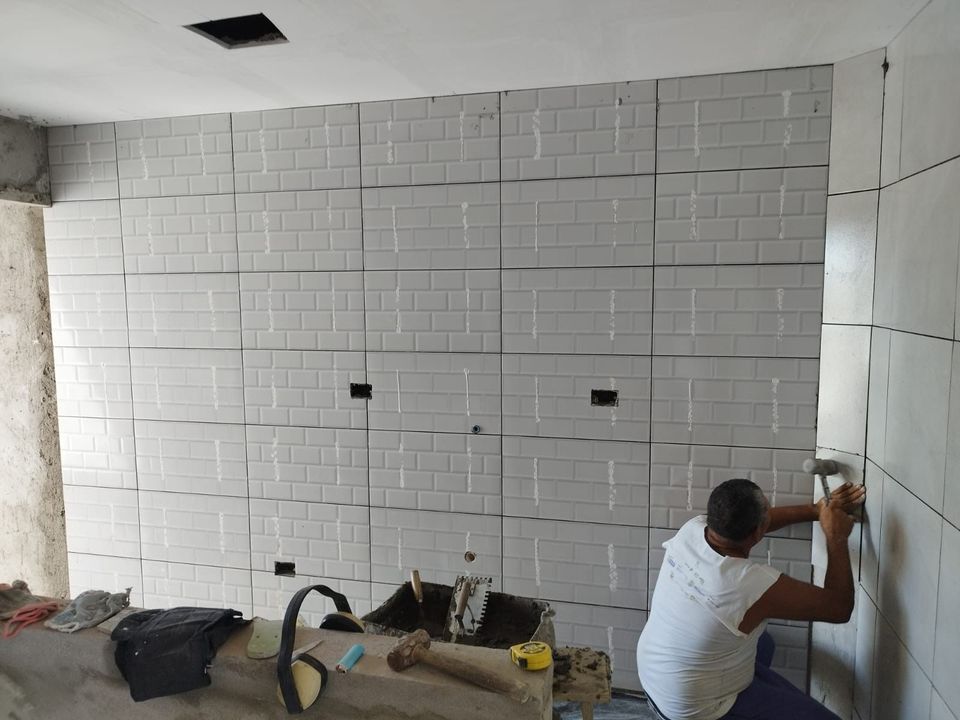
“In response, Reggio has changed the way it builds homes to make them more affordable. We’ve sought more cost-effective building materials to increase both affordability for customers and maintain profit margins for developers, but without compromising quality of the finished home.
Tiago continues: “House building in Brazil is not without big challenges, however, particularly the often-precarious infrastructure. For example, many of the streets in poorer neighbourhoods have no sidewalks, and construction companies, such as Reggio, often must carry out the paving work that should be the government's obligation.
“The combination of multiple high taxes is also a challenge, with the burden of municipal, state and federal taxes all falling on the builder - compounded by high notary fees and property insurance. The cost of direct employment is also very expensive in Brazil, so we outsource most of our workforce.”
A blog by David Innes-Edwards, Managing Director, Frontier Public Relations.
Wednesday, 25th March 2026
Frontier PR is a specialist in the built environment.mt. Communicate to change by emailing david@frontierpr.co.uk